Pages

Tuesday, April 9, 2019

Home Chemistry: Hurumanu, Balloon Chemistry

Image result for baking soda balloonsAim: To see which chemical 
mix creates the most gas.

Hypothesis: (What do I think will happen)
I think the chemical mix with the most gas is the baking soda and the vinegar. I think that it is the mix because I have personally tried it, and in my opinion, I don't think that the other ones would be that strong.

Materials:
  1.  Balloon 
  2.  Bottle 
  3. Funnel
  4.  Yeast 
  5.  Sugar 
  6.  Baking Soda
  7. Vinegar
  8. Salt
  9. Soda
Steps:
  1.  Grab a bottle, make sure it is empty and dry. 
  2.  Grab a Funnel and a balloon. 
  3.  Then Get the first two ingredients, Yeast and Sugar.  
  4.  Pour 2 tsp of the yeast and 1 tsp of sugar, make sure to pour it one at a time. 
  5.  Then wait for it to rise. 
  6. ~Next Experiment~ Repeat the first two steps, this time grab some baking soda and vinegar. 
  7. Pour in 3 tsp of Baking Soda in the balloon and 1/2 half cup of Vinegar in the bottle.
  8. Wait for the the gas to come up. 
  9. ~Next Experiment~ Repeat the first two steps, this time grab some salt and soda. 
  10. Pour in 3 tsp of salt in a balloon, and 1/2 half cup of soda.
  11. Like the other experiments wait for the gas to go up. 
My images:


Findings:


Balloon 1
( 3 tsp baking soda, ½ cup vinegar)
Balloon 2
( 3 tsp salt, ½ cup soda)
Balloon 3
( 2 tsp yeast, 1 tsp sugar )
Balloon Size (cm)
10.6cm5.1cm 5.5cm
Bubbles
Medium Amount of BubblesMedium Amount of BubblesLarge amount of Bubbles


Conclusion:
In the first mix (Bottle A) we used 2 tsp of yeast and 1 tsp of sugar, in that we also used warm water to dissolve the mix. It took a really long time for the balloon to go up. It also made layers, one layer was with the yeast and sugar the second was with the water and the last was with the bubbles. Throughout it had made a layer were it was brownish coloured, it looked fluffy and it had a lot of bubbles. But the balloon didn't actually go up for our group.

In the second mix (Bottle B) we used 3 tsp of baking soda and 1/2 half of vinegar. We first put the baking soda in the balloon it was really hard to put it on the funnel if it is wet, that is why we just put it in the balloon. So then we put the vinegar in the bottle. Lastly we put the balloon in the bottle held the balloon up so as the baking soda would fall out. The gas went up fast and filled the balloon up, it was really big. 

In the last mix (Bottle C), here we used 3 tsp of salt and 1/2 cup of soda. The process is similar to the second mix, here we again put the salt in the balloon and the soda in the bottle. Then we again put it in the bottle and held it up for the salt to fall in the bottle. It wasn't as fast as the second mix but it still blew up the balloon. 

Sunday, April 7, 2019

Home Chemistry: Hurumanu, Rainbow Paper

Aim: To separate colours by using the process of chromatography.

Definition: Chromatography is a method of separating out materials from a mixture.
Eg. blood, ink, drugs,

Scenario
A crime has been committed. The police have a signed cheque and a letter from the same crime scene but it seems like the handwriting is different. They have 3 suspects but not enough evidence. They need to know if the letter and the cheque were written by the same person.

How do they tell if the pens used for both of these pieces of evidence are the same?

Related imageRelated imageImage result for chromatography
Rainbow paper

Materials;

1. Cup
2. Chromatography paper
3. Felt Pens 
4. Water
5. Pencil
6. Ruler 

Process:

Step 1: Gather the following things: Chromatography Paper, pen ruler, felt pens.
Step 2:  Draw a 1cm line on the CHromatography Paper, with a pencil. 
Step 3: Draw 2 dots using felt pens on the Chromatography Paper. 
Step 4: Fold the paper, behind cup near the top of the water, to hold the paper.
Step 5: Teacher pours water, in the cup.
Step 6: Then wait for the colours to climb up the paper. 


Conclusion: What have I learnt from this experiment?
So we first got the Chromatography paper, drew a line one centimetre up and then got two felt pens, preferably a dark colour. Then we drew two dots on the line, but we made sure that they didn't touch. Then we put the paper on the cup, folded the top part so the water could only reach the end of the paper. Then we waited as the paper soaked up the water. But in our first try, it didn't work out because there was too much water. So I suggest if you're going to do this try pouring the water in first. 


Friday, April 5, 2019

A story to be remembered.........

Hello people! Welcome to another post, today we had another session on our Art Hurumanu. Today we learned about, how to do stop motion, puppetry and whiteboard stop motion. We learned about the different camera angles and new names like 'Annotation' which in the storyboard (more about later), is the labels, small notes and basically a small note telling you what is happening.

So we worked in groups of four to create a storyboard/comic. I worked with Alliah, Jolly Rose and Milan. But before we did that we picked something out of the brainstorm that other people did, so we picked caring.

Our story was about a grandma and a granddaughter, the grandma was getting older and one day she has cancer, her granddaughter visited her every day and took care of her. Then the day finally came she died. The granddaughter was really sad. When she grew older she got married had kids and know she was a grandma, so then her grandsons would take care of her.


Wednesday, April 3, 2019

Denominators and what?....

Hello people, I am back with another DLO. This time it is about fractions, so our aim is to know how to add fractions. This is easy once you learn it. But the equations are hard, if you were thinking it would be like this: (1/4 + 2/4=)  Well it isn't these equations have a different denominator. So then you will have to find out what I mean.

Anyways hope you enjoy and have a great day!

(In the last equation, the answer could be simplified so if you searched it up it would come up with the simplified answer which is 2/3)


Tuesday, April 2, 2019

Goodbye my old friend!!!

Hello people, welcome to another post! This week we have moved on to another hurumanu, so we have gone from Fast and Futherest and Digital Change to Stop, Write, Hear and Home Chemistry. So every 7  - 8 weeks in that module/hurumanu.

So in Stop, Write, Hear, that basically means, the title was made by our teacher Mr Mitchell and just saying it was a great title. So in that we learn about animation like stop motion and many more, we had our first two sessions on Monday which were yesterday. Our teachers were Ms Clemence and Ms Keene, they are the art teachers in our school. 

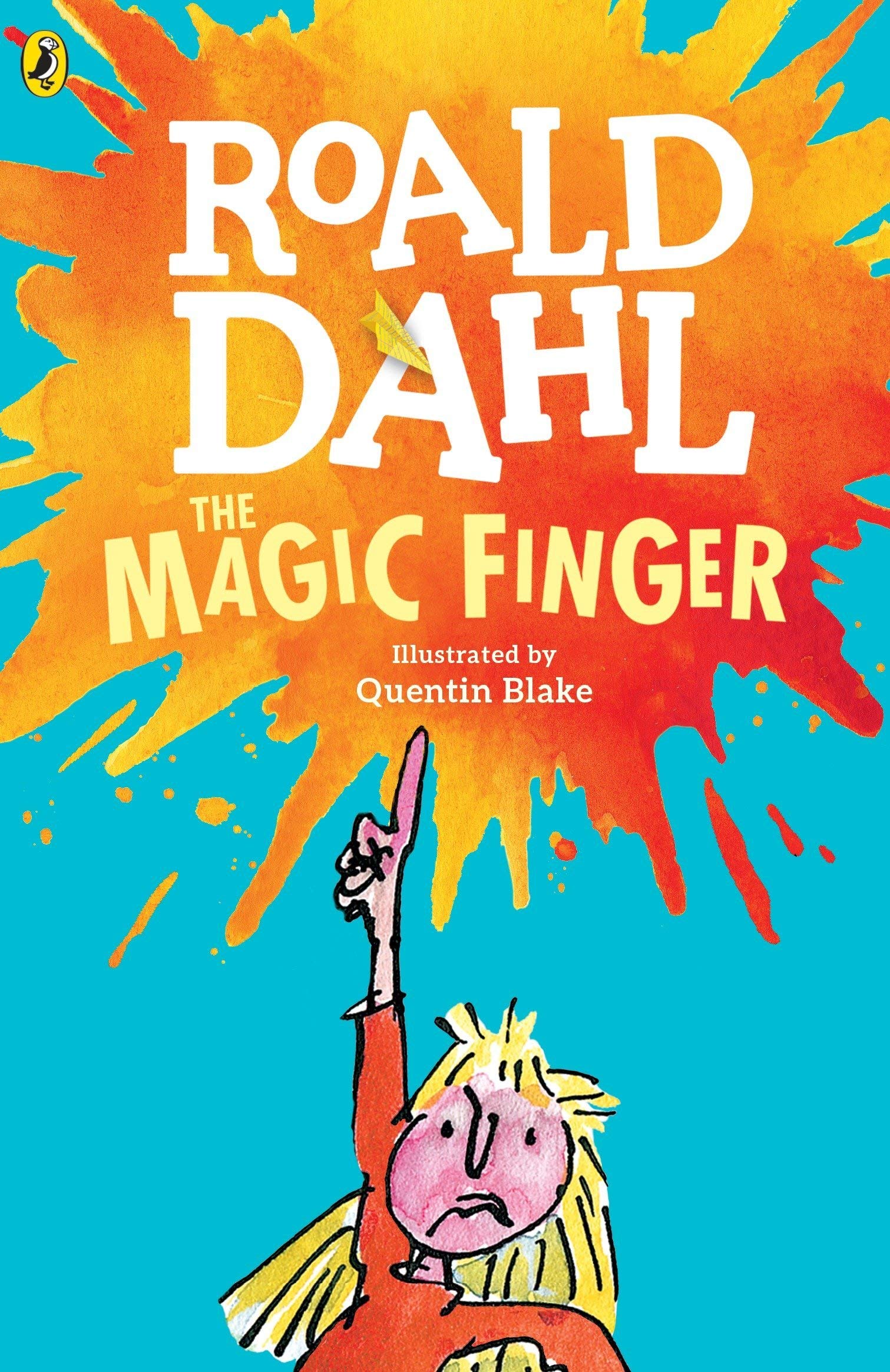
In the first session, we learned about the imperfections of Quentin Blakes illustrations in Roald Dahl, we had to work in groups and pick one of the drawings that represent the book well, then we had to describe it and draw it. After that, we did an activity about drawing so we had 50 seconds to draw the things on the whiteboard. This was practice for the animations we are going to do later in the year (Term 2).

Image result for Magic Finger
Credit: Amazon.com

This was the book that my group used. 

Home Chemistry: Introduction

Aim: To learn the names of 10 household chemicals and identify if they are a solid, liquid or a gas.

Definitions:


  1. Element; A single form of a chemical 
  2. Compound: A mixture made up of 2 or more elements
  3. Reaction: A process in which chemicals mix together to form a new substance.
  4. Mixture: When two or more elements are mixed together.

Equipment:

  1. Lemon Juice 
  2.  Salt 
  3.   Sugar
  4.   Vinegar
  5.   Lemonade Bubbles
  6.   Onion Gas
  7.   Baking Soda
  8.  Milk
  9.  Cornflour (Starch)
  10. Banana 
Steps:

1. Make Chart
2. Research Chemical Name
3. Search Image
4. Write the Conclusion

Repeat the steps for all the chemicals.

Task 1: Put the 10 chemicals in a chart with the titles - Name, Chemical ingredient(s), Image, Solid/Liquid/Gas.


Name Chemical Image Solid/Liquid/Gas 
Lemon JuiceCitric Acid Image result for Lemon JuiceLiquid 
Salt Sodium Chloride Image result for saltSolid 
Sugar Copper (ll) Sulfate, Glucose Image result for SugarSolid 
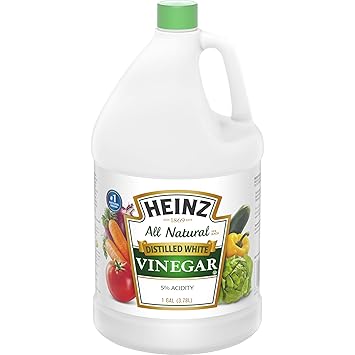
Vinegar Acetic (Ethanoic Acid Image result for VinegarLiquid 
Lemonade BubblesCarbon Dioxide Image result for lemonade bubblesGas 
Onion Gas 
Propanethial S-Oxide 
Image result for OnionGas
Baking Soda Sodium BicarbonateImage result for sodium bicarbonate baking sodaSolid 
Milk Magnesium Hydroxide Image result for MilkLiquid 
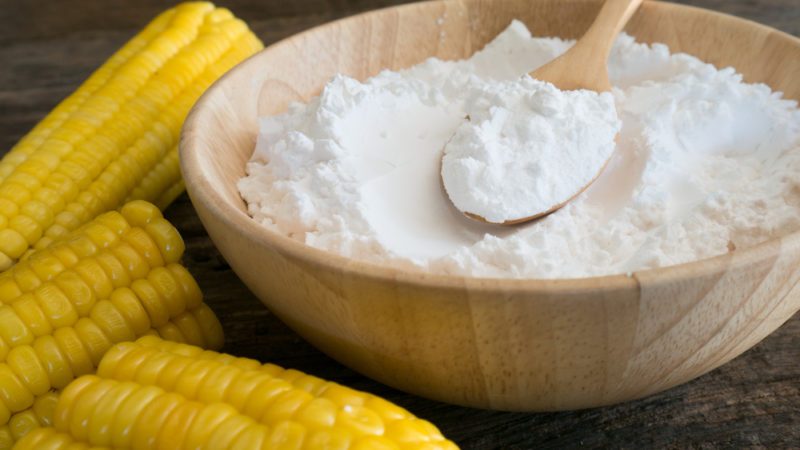
Cornflour Amylum Image result for cornstarchSolid 
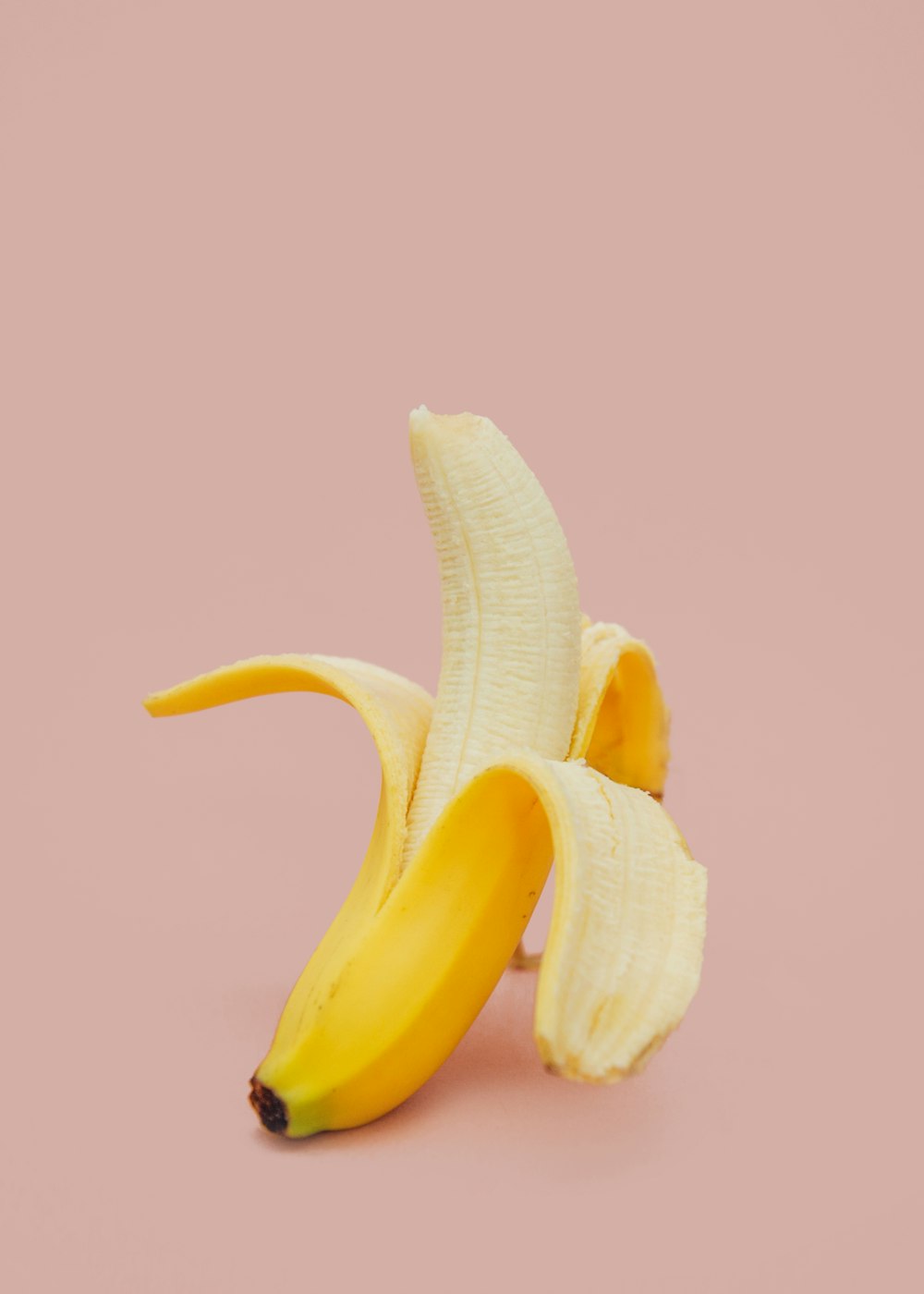
Banana Isoamyl Acetate Image result for BananaSolid 

CONCLUSION: ( WHAT DID YOU LEARN OR SEE)

In this post, I learned that Lemon Juice has Citric Acid in it and it is a liquid chemical. I also learned other things, so Sugar has Glucose and other chemicals in it like Copper ll Sulfate which is a solid, another one was Vinegar it has Acetic Acid/Ethanoic Acid, which was a liquid.  I also learned that Onion has a gas called Propanethial S-oxide in it that makes you cry when you cut it, which is a gas. Two things that both have a solid chemical was a banana and Cornflour/Starch, a banana has Isoamyl Acetate chemical and Cornflour/Starch had Amylum in it. Another one I didn't know about was that milk had Magnesium Hydroxide and it is liquid (of course). The last one I didn't know about was Baking Soda it had Sodium Bicarbonate in it and it is, of course, a solid. Salt has sodium chloride and it is a solid, Lemonade bubbles have carbon dioxide and it is a liquid. 

Thai Buddies!

Hello people! Welcome to another blog post today I am going to talk about our Thai buddies. So around week 5 - 6 we received visitors from Thailand. They are visiting New Zealand to learn about how we learn. So they have been with us, they are a total of 18 people, they are around year 7 - 9. 

Throughout those weeks I have learned how to count in Thai and a few words like how to say hello. Our Thai buddy was a girl and her name was Ploy, but I didn't really know what her name was in Thai. So before they leave which a few days after the end of the Term, they would do a performance/cultural lesson. Though they haven't come to us yet it looked really fun!

Credit: TeakDoor.com